
The Dedicated Startup Hub
Everyone knows everyone. Except the ones with an idea.
A community of Island founders, freelancers, and mentors building what comes next. Plus a real place to do it.
Proudly supported by


Why we built this
The Island has the talent. The ambition too. What it didn't have was a single room where founders, freelancers, and mentors could actually find each other. So we built one. London Institute of Business and Technology runs it. The Isle of Man Chamber of Commerce and the Department for Enterprise back us. The community shapes everything else.
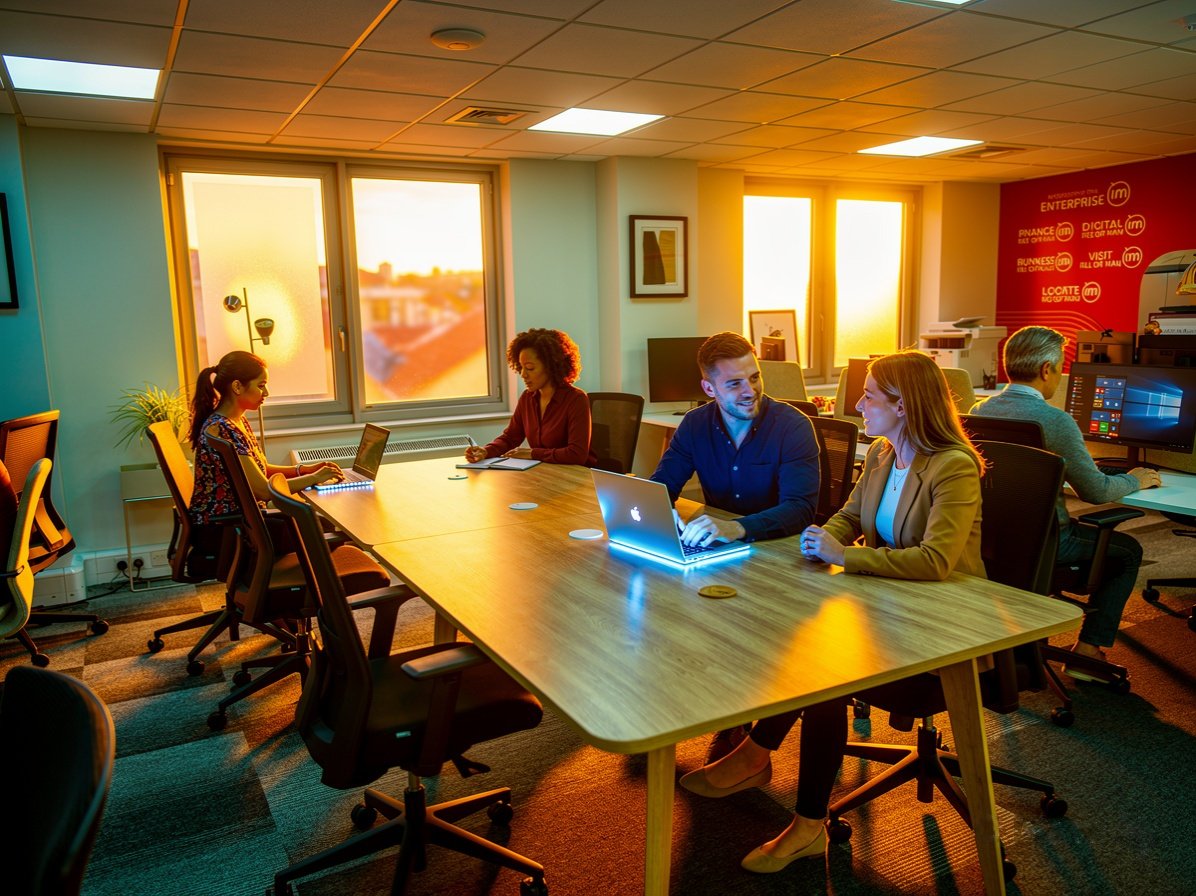
What you get the moment you join
A room full of people who get it
Founders, freelancers, mentors, learners. Most days, all of the above.
Events that inspire you
Meetups, fireside chats, workshops. Mostly free, always inspiring.
Engaging live discussions board
Safe place where founders ask the questions and get answers.
A professional place to work from
Desks, meeting rooms, coffee, fast WiFi. Members come and go as they need.
Introductions that add value
We know who's hiring, who's building, and who's looking. We connect the dots.
What's on this week
Choosing Launchpad means selecting a partner who values your success as much as you do. Whether you're in the early stages of forming an idea or aiming to scale your startup, our comprehensive resources and personalised support are designed to propel you forward.
Latest Events
Upcoming workshops, meetups and networking nights at Launchpad.
 Thu 29 Oct
Communities of Practice: ESG
Join us at our latest ESG CoP event!
13:00Free
 Thu 29 Oct
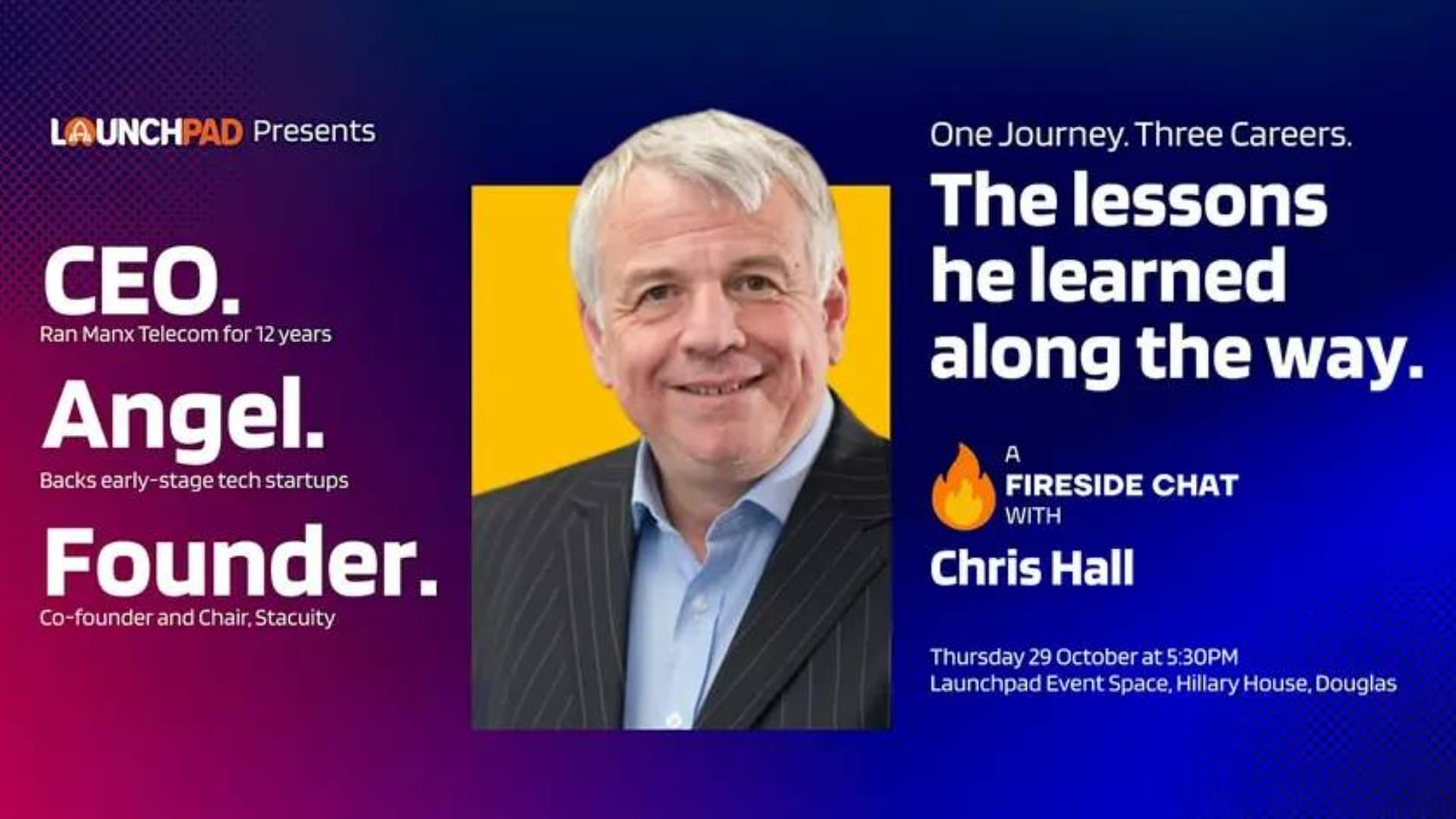
CEO. Angel. Founder. The lessons Chris Hall learned along the way
CEO of the island's phone company. Then an angel investor. Then a founder raising his own money. Chris Hall on what each stage taught him.
17:30Free
 Fri 30 Oct
Communities of Practice: Digital Compliance
Curious about using digital tools to assist with compliance? Come along to our Digital Compliance CoP event sponsored by the AICP.
12:30Free
Stories from the community
What our members are writing, building, and learning. Updated most weeks.

General
Techstars Startup Weekend Douglas is a finalist for Education and Learning Initiative of the Year at the Media Isle of Man Awards for Excellence 2026
Techstars Startup Weekend Douglas, hosted at Launchpad, is a finalist for Education and Learning Initiative of the Year at the Media Isle of Man Awards for Excellence 2026. See what participants learnt in 54 hours.
Oct 12, 20265 min read
General
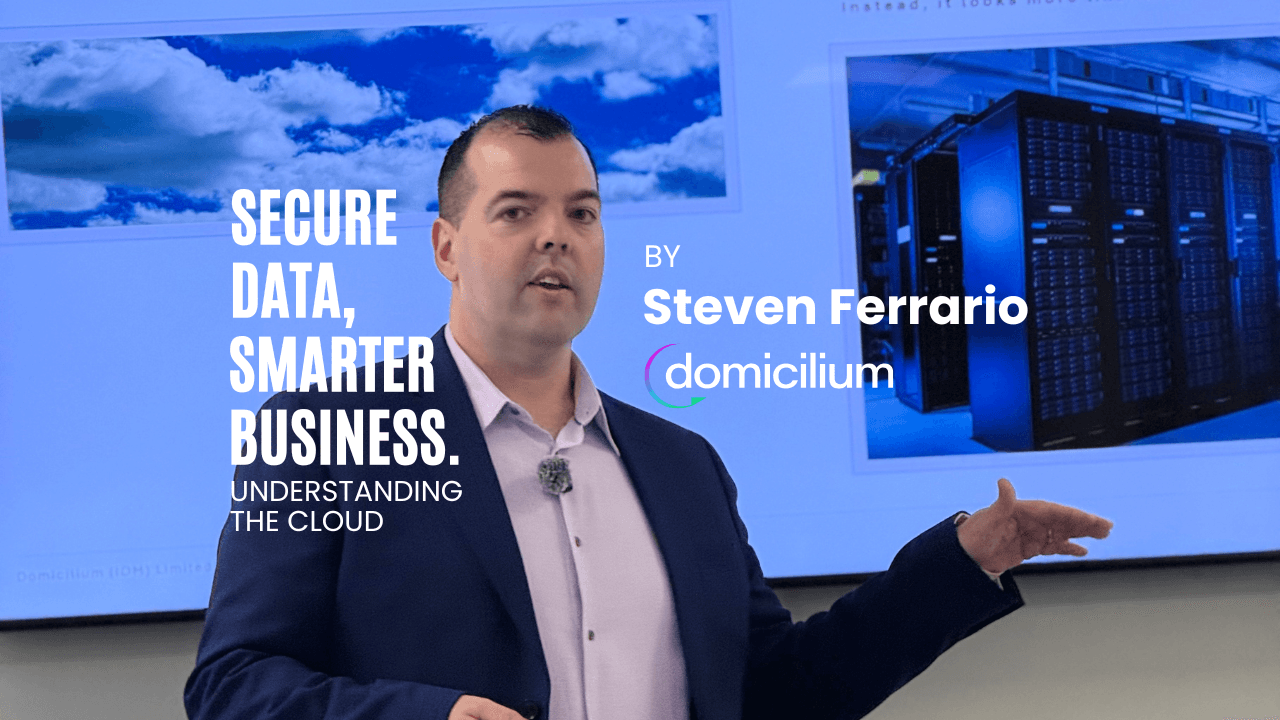
Cloud Computing for Small Business: What Every Isle of Man Founder Should Know
Public, private or shared cloud? What Isle of Man founders need to know about cloud risk, AI data and data sovereignty, from Domicilium's Steven Ferrario.
Sep 29, 20265 min read
General
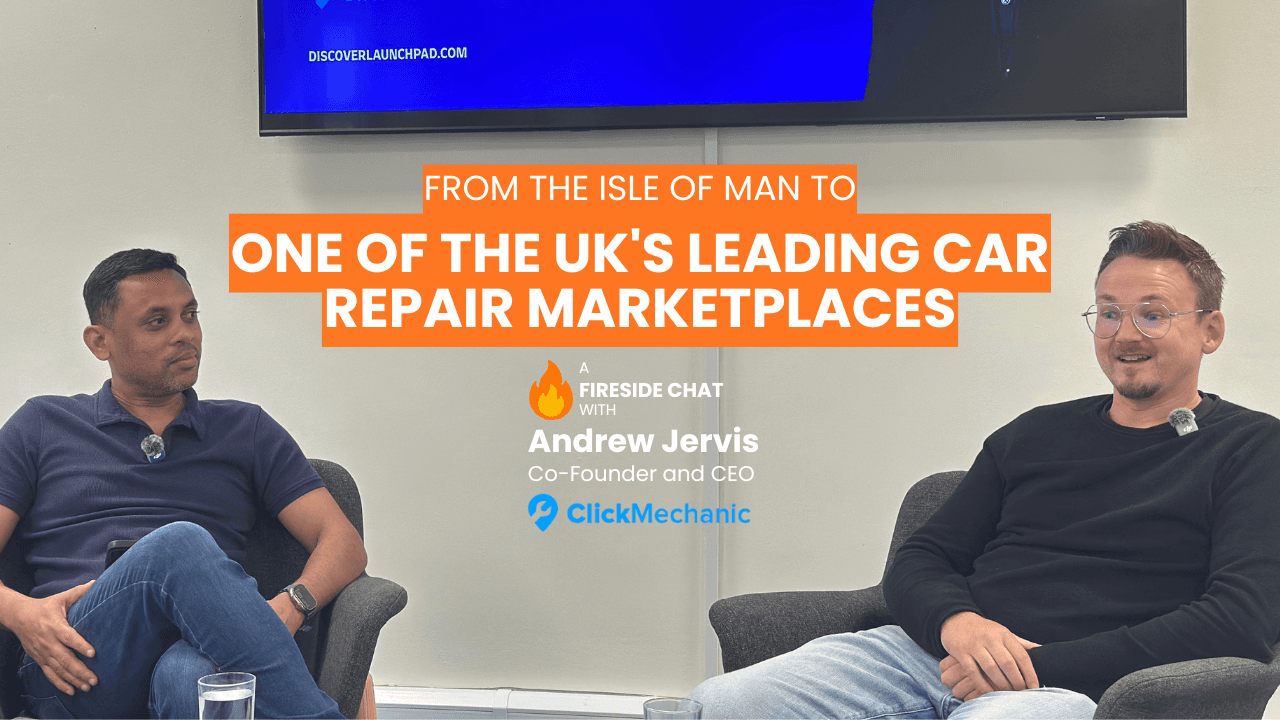
Startup to Scale-Up: 10 Lessons from ClickMechanic's Andrew Jervis
Andrew Jervis grew ClickMechanic from a £5 domain to a UK-wide marketplace. What he learned about trust, hiring, funding and scaling, from our fireside chat.
Sep 15, 202611 min read
General
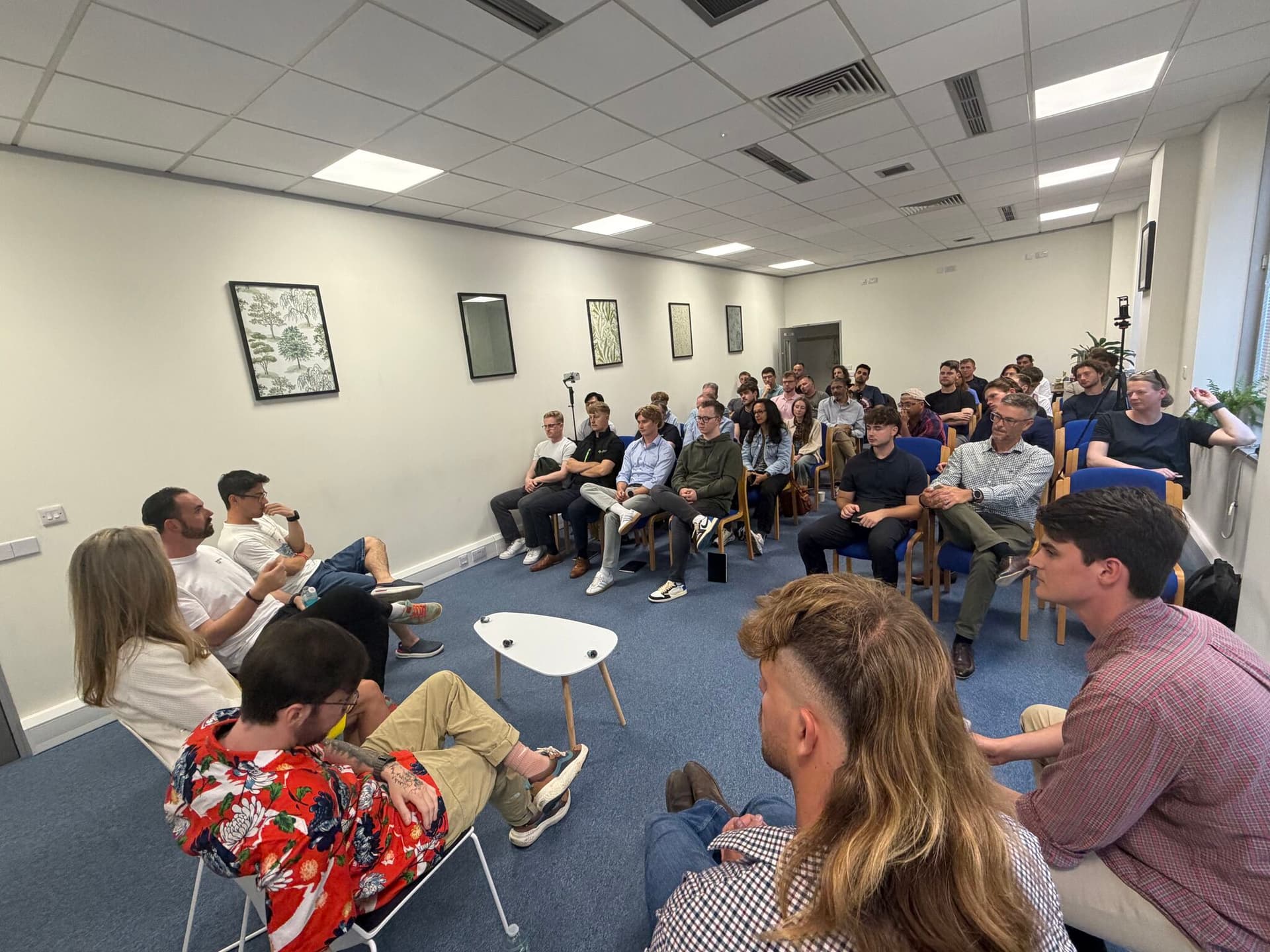
What Is a Pre-Seed Startup? 4 Founders on What Actually Works
Four founders explain what pre-seed really means, how to find your first 50 users, when pricing forces honest feedback, and how to grow with no budget. Recorded live at Launchpad, Isle of Man.
Sep 9, 202614 min read
One signup. One Island. One room.
No pitch deck. No business plan. No paid tier you'll get nudged into later. Just access to the people building things alongside you — founders, freelancers, mentors, and the occasional brilliant student.
Join the Community